
What to do when something, or someone, sets you off
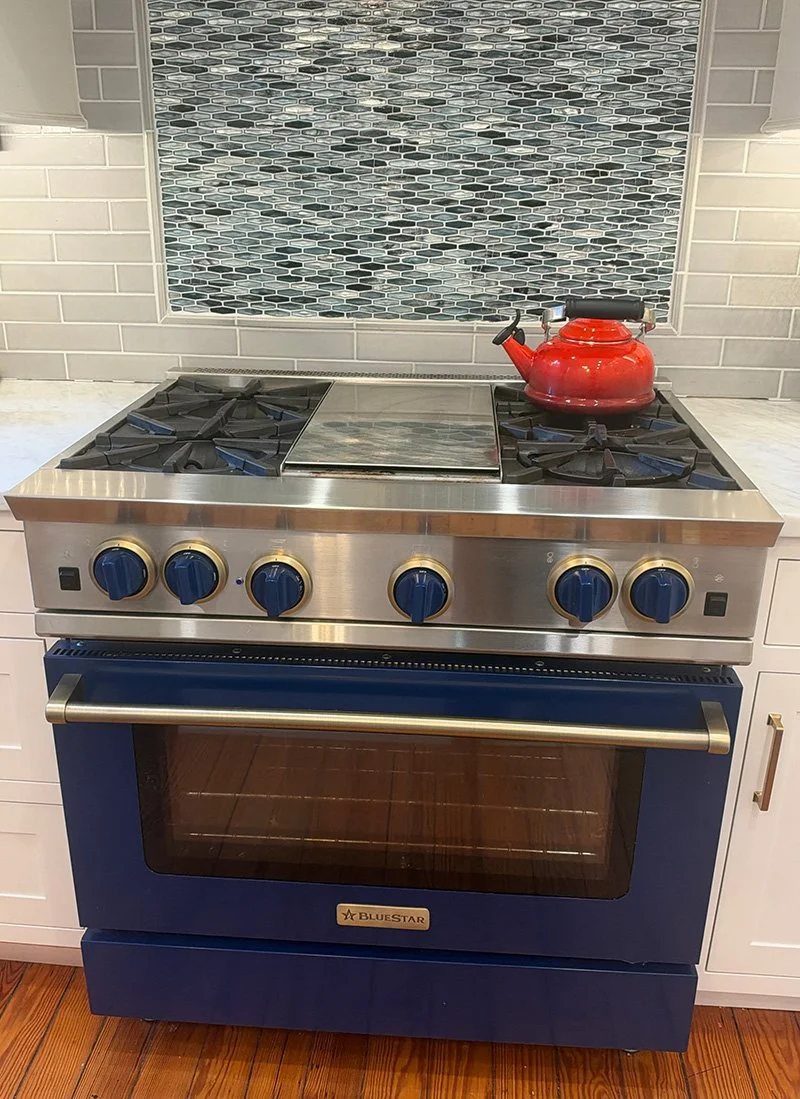
If I were forced to pick just one thing to keep in my house, after my husband John, it would probably be my coveted Bluestar range.
Why do I love it so much?
For starters, I got to choose from over a thousand colors. I don’t even want to tell you how many hours it took me to land on heritage blue! Then, there’s the integrated griddle and four burners, including two with 25,000 BTUs of cooking power (that’s a lot).
Plus it’s beautifully old school… no electronic settings, beepers, or even a timer. It just has sturdy, time-tested knobs and switches.
But my all-time favorite thing about it is the open burner design that lets you place a round-bottom wok right inside the flame, something that allows you to get “wok hei,” that smoky, seared flavor that makes stir-fry so good.
In a word, it's fabulous. But… it’s also smoky.
Which is why while preparing a family favorite this past Saturday (Mongolian Beef), I took precautions to prevent the kitchen smoke alarm from going off, as it did last time I made this dish:
Open windows in advance — check
Turn vent on 10 minutes early — check
Place a shower cap (I know!) on the kitchen smoke alarm — check, check, check
And yet, despite my best efforts, a few minutes in, the dreaded alarm sounded.
Fortunately, my Enneagram Six husband was standing by, because, of course, he knew this would happen. As I kept cooking, he dealt with the alarm company and the smoke.
Our Brains Have a Smoke Alarm, Too
Our brains also have a smoke alarm of sorts. It’s called the amygdala and it is continually scanning our environment for danger. If it identifies a threat — real or imagined — it jumps into action. Our central nervous system takes over, as we prepare to fight back, flee the scene, or freeze to survive.
That’s a good thing, of course. We want to be on high alert when real danger is nearby (think: dark alley). It is much less helpful, though, when your peer Jordan presents your idea as his own at the senior leadership retreat. The problem is that our brains react to threats to our credibility, competence, control, or sense of belonging as if we’re under physical attack. Both really stink, but only one is life-threatening.
Once triggered, we tend to react before the more rational part of our brain can weigh in. Add a high-stakes leadership moment and, well, things can go sideways pretty quickly. Think bad decisions, regrettable comments, and the occasional email you wish you could get back. [Side note: I always remind my clients, “No angry typing!”]
How to Keep the Alarm in Check
We all get triggered; it’s part of being human. The good news is we can get better at noticing what is happening and give ourselves enough space to choose a response, rather than simply react.
A few things that can help:
Buy yourself some time.
Let’s say Kylie criticizes you unfairly in front of your team. You could fire back, defend yourself on the spot, or pretend it didn’t bother you and just move on. None of those are great choices.
Instead, try buying yourself a few seconds. You could repeat back what you heard: “Kylie, you said my suggestion to be transparent about our product issues is naïve. Can you say more about your concerns?”
While Kylie is now explaining, you’re getting more information and giving your internal alarm a chance to settle down.
Pay attention to your body.
Often, your body knows you've been triggered before your brain catches up. Your heart starts pounding, your jaw tightens, your face gets hot, your breathing becomes shallow. Sensations like these are your early warning system.
One simple way to interrupt the reaction is by employing a “physiological sigh:”
Take a deep breath in through your nose.
At the top, take one more quick inhale.
Hold your breath at the top for a count of three.
Then let out a long, slow exhale.
Do it once or twice. It might not solve the problem entirely, but it could help you respond more thoughtfully.
Return to the physical.
Because triggers are emotional responses, grounding yourself by reconnecting with your body can help.
Any of the following are possible places to start:
Take a sip of cold water.
Press your feet into the floor.
Relax your shoulders.
Look around and name three things you can see.
Literally snap out of it by snapping a rubber band on your wrist.
It sounds almost too simple, but these small actions can help bring you back to the present, instead of letting the alarm run the show.
Have a plan.
Figure out what tends to push your buttons. Then come up with a back-pocket strategy before you need it. Because in the heat of the moment, you’re probably not in the best position to decide what to do next. A little preparation can keep a momentary trigger from becoming a lasting regret.
And if you were wondering when I was going to bring up the Enneagram, this is when! Knowing your Enneagram type can be incredibly helpful in pinpointing the things that are most likely to set off your internal alarm.
For example, my client Ezra is a head of marketing who leads with Enneagram One. When he presented his Q4 strategy deck to the leadership team, a peer made an offhand comment about a typo.
No big deal, right? Wrong!
Ezra felt mortified by the perceived criticism. He turned red, took the comment personally and, through clenched teeth, made a regrettable remark about his peer's choice of attire for the day. Not ideal, and definitely not how he wanted to show up.
Now that Ezra knows criticism is his kryptonite, he has a plan. He takes a breath, looks for the simple truth in the feedback, and asks a question if he needs more information. If he made a mistake, he acknowledges it without turning it into something bigger. And when he can, he uses humor to take some of the sting out of the moment.
Your trigger and your strategy may look completely different. The point is to know what tends to set off your alarm and decide ahead of time what you want to do when it happens.
The Alarm May Still Sound
Of course, being prepared doesn’t always work (just ask my wok). Some days, despite our best efforts, the alarm is still going to go off. The goal is to notice it sooner and keep the damage to a minimum. That’s emotional intelligence at its best!
Gotta go. My Easy Kung Pao Chicken is on the range and my husband’s already got the alarm company on the phone!